
Three stationary turbines brought back into operation with Bestwatt head swaps
More power, a strong business case and long-term security with Rengineers.
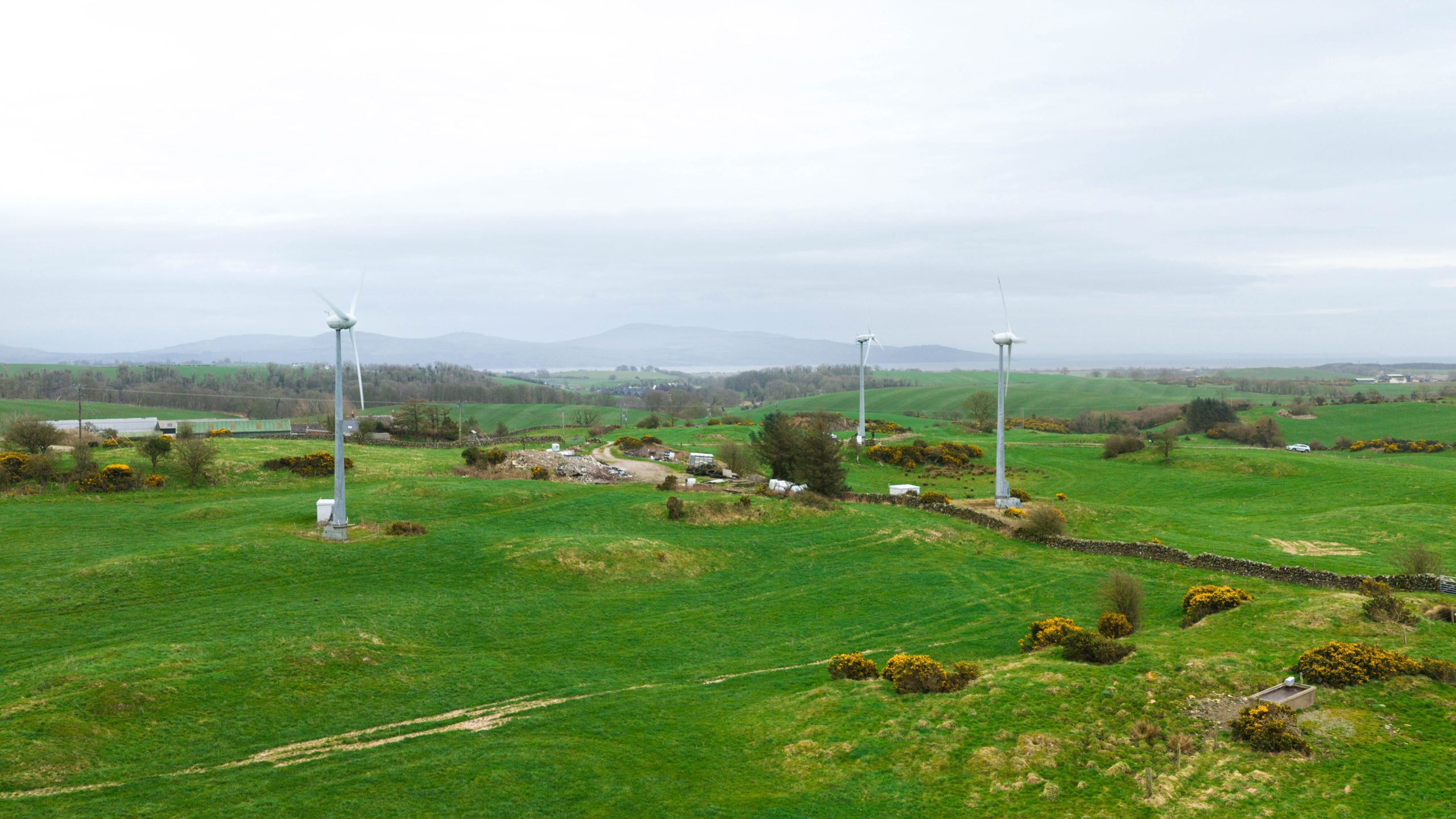
Three wind turbines were already in place at Andrew Robinson’s farm, but there was one major problem: they were no longer spinning. Rather than writing off the existing sites, Rengineers looked at how they could be brought back into productive use.
The solution was three head swaps, giving the site a new lease of life and creating a long-term source of renewable energy for both the farm and the electricity grid.
back to project overview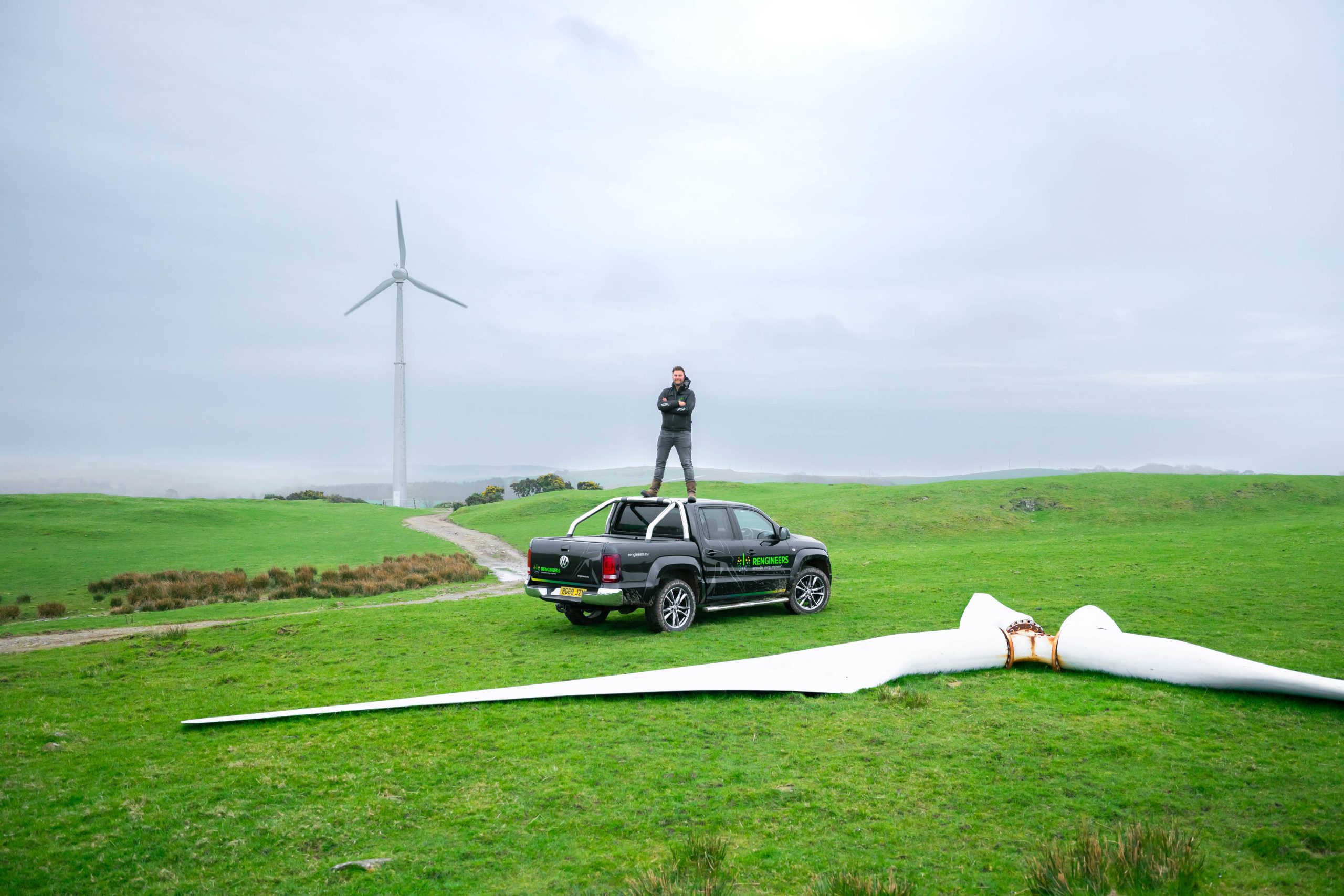

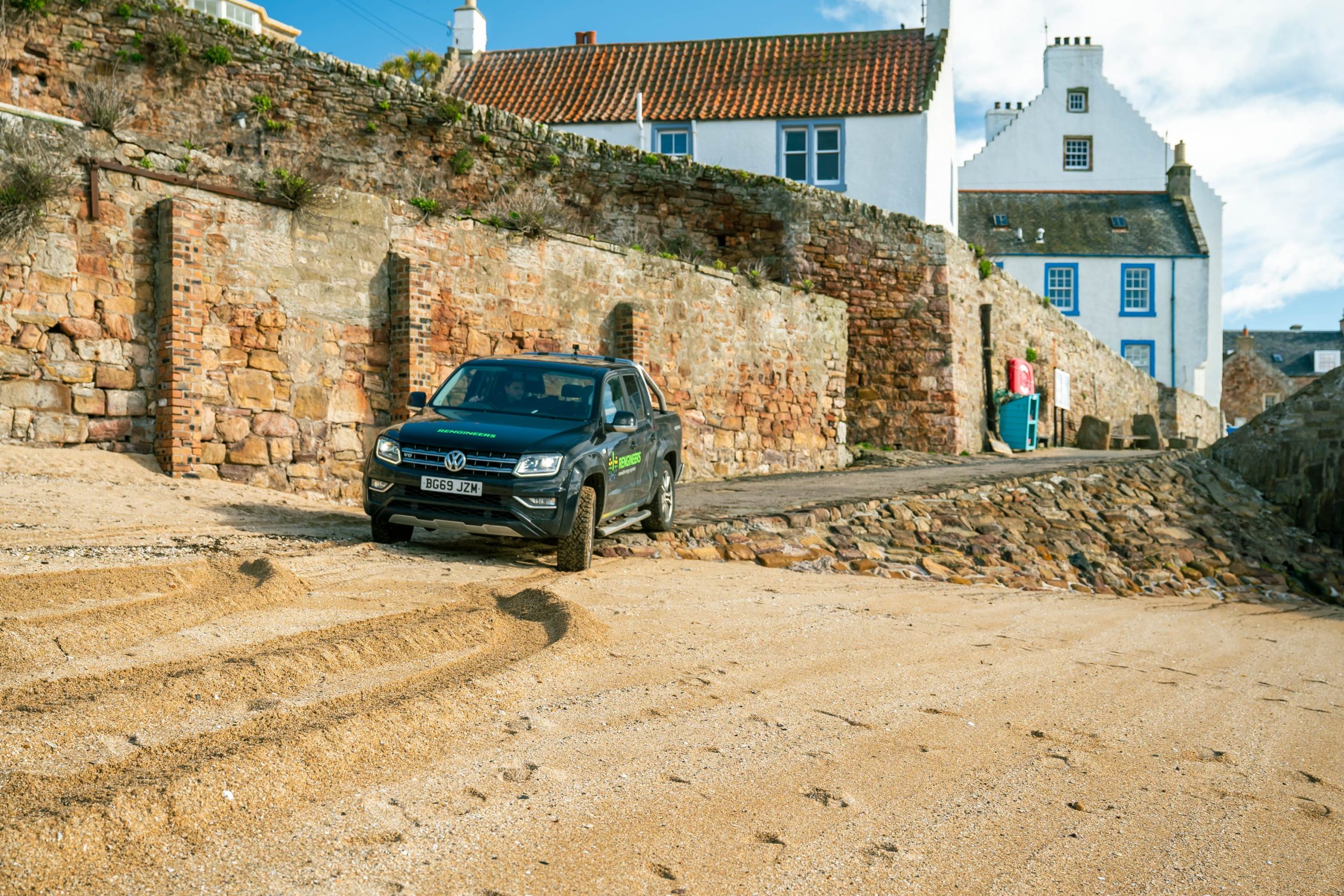
Head swaps give existing wind turbine sites a new lease of life
When a wind turbine reaches the point where it is no longer operating reliably, replacing the entire installation is not always the only option. At Andrew Robinson’s site, all three existing machines had stopped spinning. Rengineers therefore proposed replacing the turbine heads and making use of the existing locations.
The result is a setup consisting of two Bestwatt 45 turbines and one Bestwatt 80.
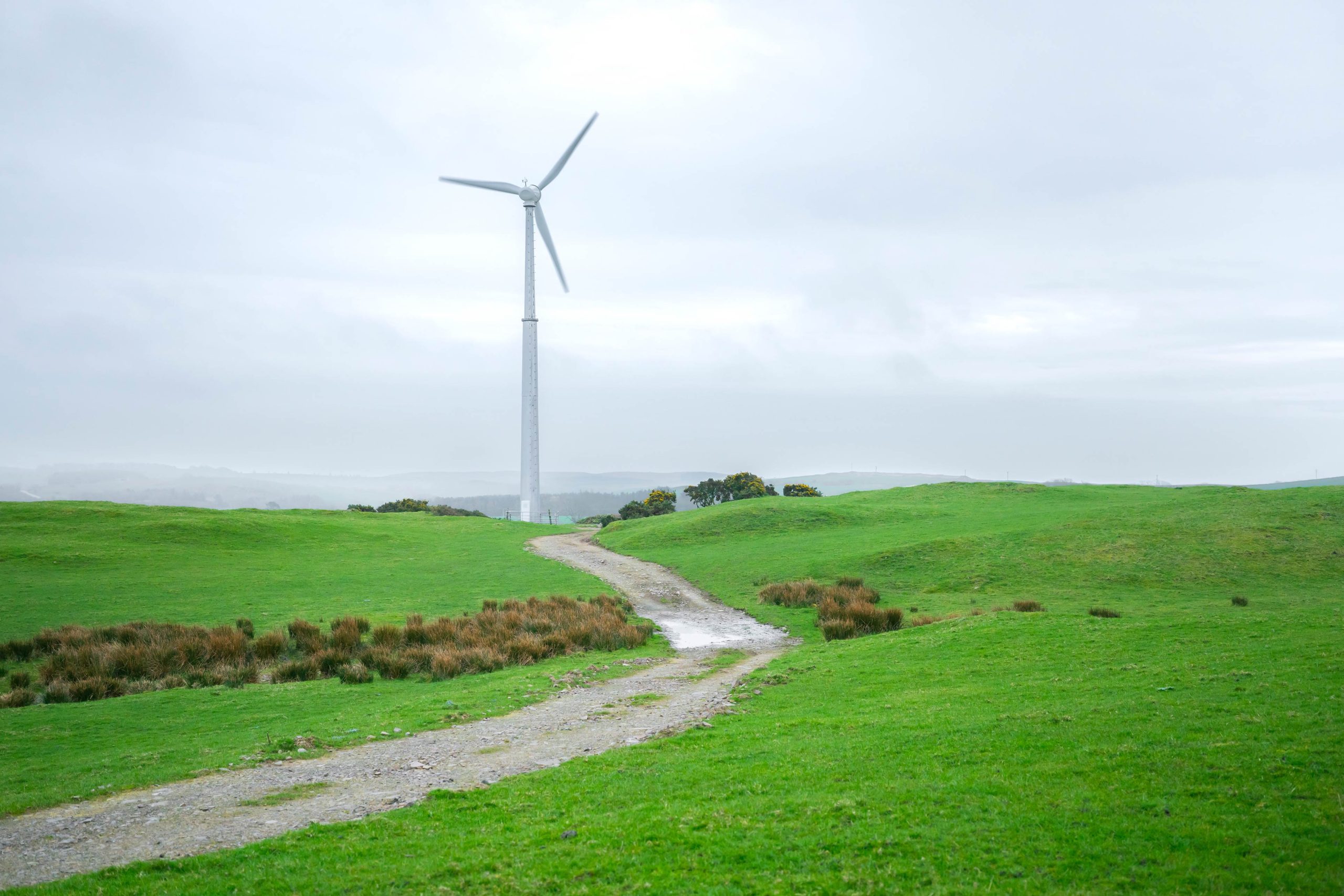
By replacing the existing machines in this way, the three wind turbine sites are once again producing energy instead of standing still.
Wind energy for the farm and the grid
Each of the three turbines has a role within the energy setup. One turbine is used to help power the farm itself, reducing the amount of energy that needs to be purchased from the grid.
The other two turbines feed their electricity directly into the grid. This means the project combines two benefits: locally generated electricity that can be used by the business itself and renewable energy that can be exported to the grid.
Making use of the Feed-in Tariff
The business case is also supported by the Feed-in Tariff. Under this scheme, the electricity produced by the wind turbines benefits from an agreed tariff. Combined with the value of the energy used directly on the farm, this makes the turbines financially attractive.
The investment for a Best Watt 80 is approx. €150,000. The Annual Energy Production (AEP) is approximately 100,000 kWh. Based on a combined value of roughly €0.30 to €0.50 per kWh from on-site use and the Feed-in Tariff, the indicative payback period is around three years.
Garant Contract: certainty that your turbine keeps running
A strong business case, however, depends on more than the amount of electricity a turbine can generate. It also depends on availability. Every hour that a turbine stands still, is an hour in which it is not producing energy or generating revenue.
Rengineers therefore does not wait until a turbine actually comes to a standstill. From its control centre, the turbines are monitored remotely. Deviations that may indicate a fault or potential standstill can often be identified at an early stage, allowing Rengineers to intervene where possible before the problem results in downtime.
The installation is backed by Rengineers’ Garant Contract. Rengineers takes responsibility for keeping the turbine operational and responding quickly when something goes wrong. Rengineers aims to resolve the issue within 48 hours. If the standstill lasts longer than the agreed 48-hour period, the loss of income is reimbursed under the terms of the Garant Contract. This provides greater financial certainty.
The Garant Contract is therefore about more than responding quickly when a turbine stops. Through continuous monitoring, early detection and clear insight into performance, Rengineers aims to prevent downtime wherever possible and make sure that production is realised.
A long-term solution for the next twenty years
For Rengineers, replacing the three turbine heads is therefore only the beginning of the project. The Best Watt turbines are intended as a long-term solution, with Rengineers remaining involved in keeping the machines operational over the coming twenty years.
For Andrew Robinson’s site, a practical head swap has transformed three stationary machines into productive assets again, supported by a clear business case and long-term operational security.